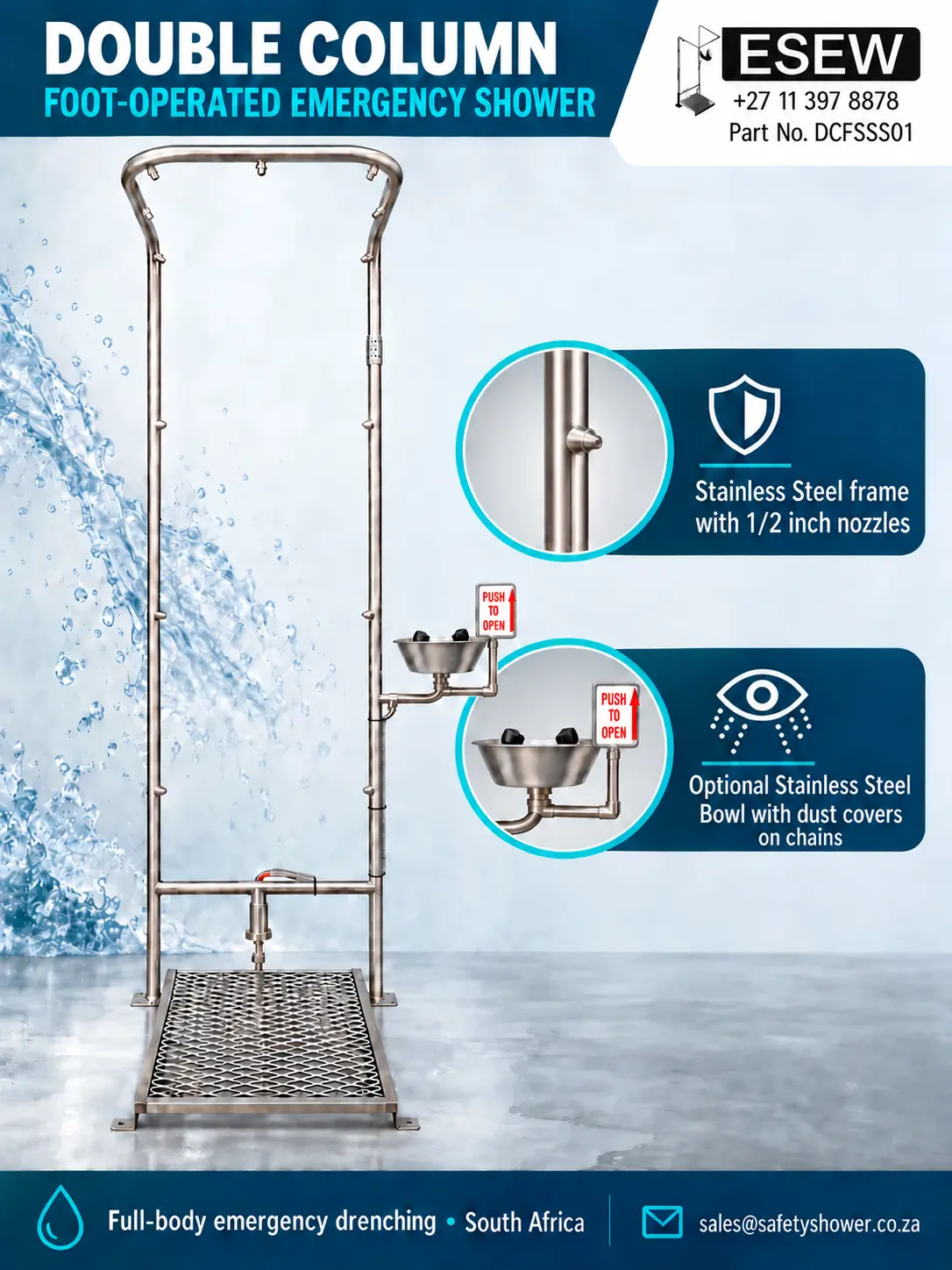
Double Column Foot Operated Bowl Emergency Shower In South Africa
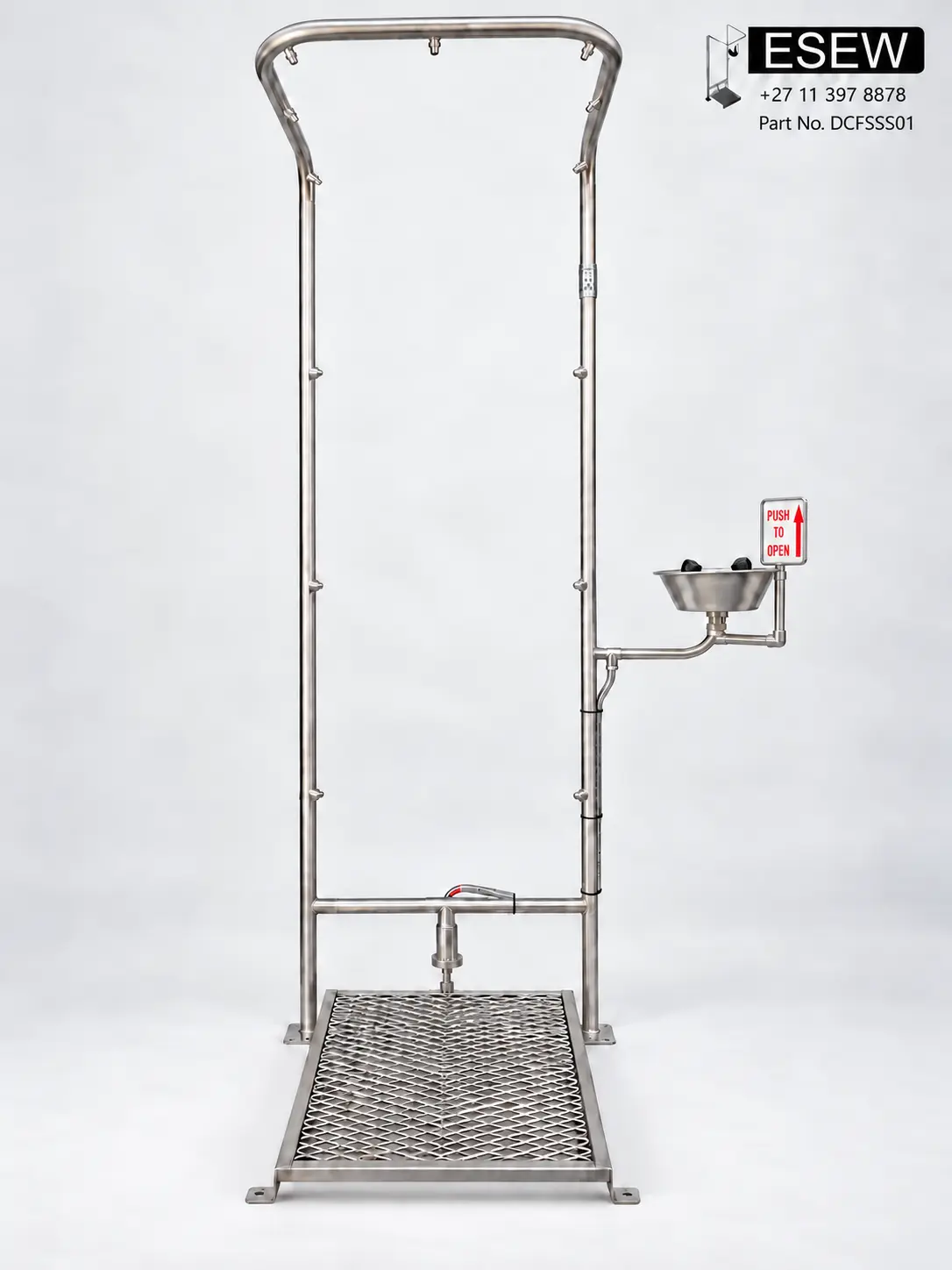
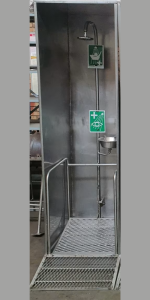
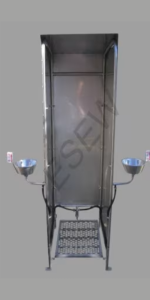
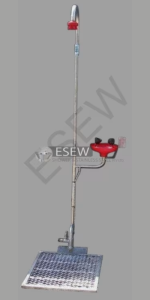
A double column foot operated bowl emergency shower gives workers immediate, hands-free access to full-body drenching and eye irrigation after exposure to hazardous chemicals. ESEW Shower & Stainless Steel supplies this industrial emergency unit across South Africa under part number DCFSSS01. The two-column frame provides a stable structure, while the foot operated platform controls the shower and the hand push plate activates the eyewash.
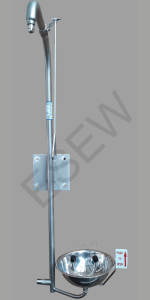
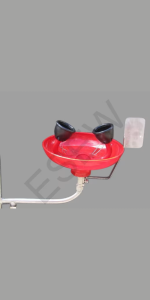
The 304 stainless steel eyewash bowl provides a durable, corrosion-resistant eye-flushing area. ESEW can manufacture the supporting structure in 304 stainless steel, 316 stainless steel or mild steel to suit the site environment.
Request Emergency Shower Pricing and Lead Times
Speak to ESEW about materials, plumbing requirements, delivery and installation for the DCFSSS01 emergency shower.
Key Takeaways
| Product feature | Site benefit |
|---|---|
| Hand push plate eyewash control | Allows rapid hand activation during an emergency |
| 304 Stainless Bowl | Provides durability, corrosion resistance and easy cleaning |
| Double-column frame | Creates a stable, clearly defined shower station |
| Hand push plate control | Activates the eyewash bowl through a dedicated hand control |
| Modular material options | Supports indoor, outdoor and corrosive operating environments |
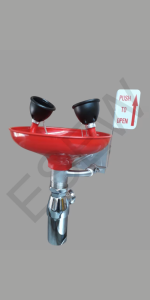
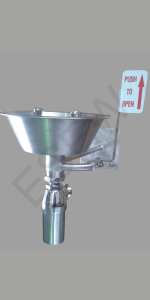
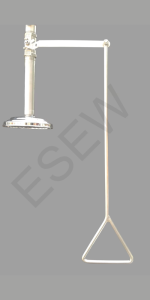
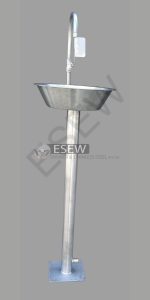
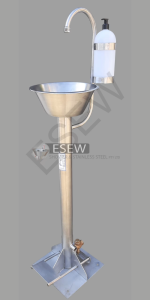
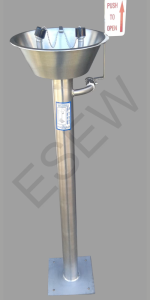
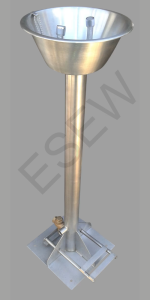
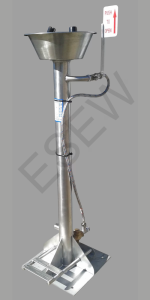
How the Double Column Foot Operated Emergency Shower Works
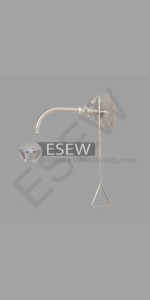
As a plumbed emergency eyewash and safety shower station, the overhead shower and lower eyewash assembly connect to the site's potable or approved tepid-water supply. Stepping on the foot operated platform shower control opens the full-body drench valve. Hand push plate opens the eyewash valve and sends controlled flow through the two aerators.
The double-column structure supports the overhead pipework and defines the standing area around the shower. The grated platform helps identify the correct operating position and can support drainage planning where the site layout permits it.
Emergency Shower Activation Sequence
Emergency Shower Materials and Configuration Options
ESEW manufactures emergency shower frames in 304 stainless steel, 316 stainless steel or mild steel. Grade 304 suits many general industrial and indoor applications. Grade 316 gives stronger resistance where chlorides, aggressive chemicals or coastal air increase the corrosion load. Mild steel can provide a practical option for controlled environments where the specified protective finish matches the site's maintenance plan.
The 304 stainless steel bowl gives the eyewash station a durable, corrosion-resistant collection area. ESEW can advise on the correct frame material, water inlet, drainage arrangement and modular options after reviewing the exposure risk and installation location.
Emergency Shower Compliance and Performance
ESEW designs its emergency shower and eyewash equipment around ANSI/ISEA Z358.1-2014 performance principles and the emergency washing requirements discussed in OSHA guidance on emergency eyewash and shower facilities. The shower must activate in one second or less and remain open without the user holding the control. A plumbed emergency shower must deliver at least 75.7 litres per minute for a continuous 15-minute flushing period. The water should remain tepid, normally between 15°C and 38°C.
The station should sit on the same floor as the hazard and remain reachable within approximately 10 seconds along a clear route. Employers should inspect access daily and activate plumbed equipment weekly to confirm water flow, clear stagnant water and identify faults.
Emergency Shower Installation Checklist
- Position the station within a 10-second unobstructed walk of the identified hazard.
- Bolt the shower to the ground with the provided bolts.
- Provide a suitable tepid-water supply with enough capacity for the required flushing period.
- Keep the operating controls visible and easy to reach.
- Confirm that surrounding equipment does not restrict entry to the shower platform.
- Plan drainage or containment for contaminated flushing water.
- Record weekly activation tests and scheduled maintenance.
Industries That Use Double Column Combination Emergency Showers
Facilities across Gauteng and the rest of South Africa use combination showers wherever workers face splash exposure, including chemical processing plants, laboratories, pharmaceutical facilities, mines, manufacturing sites, food and beverage plants, agricultural operations, oil and gas facilities, and water-treatment works. The double-column format suits fixed industrial stations that need strong physical support, a visible emergency zone and both body and eye flushing at one point.
Frequently Asked Questions
What is the part number for this product?
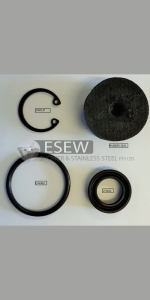
The product part number is DCFSSS01. Quote this number when requesting pricing, material options or replacement components.
How are the shower and eyewash activated?
Stepping on the foot operated platform activates the full-body shower. Pressing the hand push plate activates the eyewash through the two aerators.
How long should a worker use the unit?
A worker should flush the affected area continuously for at least 15 minutes, unless the relevant safety data sheet or medical professional specifies a longer period. Medical evaluation should follow immediately.
How often should the unit be tested?
Plumbed emergency showers and eyewash stations should be activated weekly. The site should also complete scheduled inspections that check flow, controls, spray heads, access and signage.
What warranty applies to the valves?
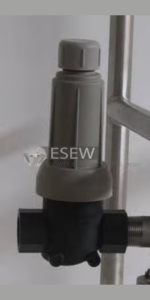
All ESEW shower valves carry a six-month warranty. Contact the sales team with the product part number when requesting service or replacement details.
Visit ESEW Shower & Stainless Steel for Emergency Showers